
1) Introduction: Peru as a Culinary Destination for Americans
Peru has become one of the world’s most exciting gastronomic destinations, and for American travelers, it offers something rare: a cuisine that is simultaneously ancient and innovative, deeply rooted in biodiversity yet globally influential. From the Pacific coast to the Andes, Peru’s food culture reflects centuries of Indigenous heritage, Spanish influence, African traditions, and Asian migrations.
For US food enthusiasts seeking immersive, authentic experiences, Peru represents more than a vacation—it is a journey through flavors, stories, and landscapes. Culinary travel in Peru for Americans is not just about tasting dishes; it is about understanding the connection between territory, culture, and identity. Lima and Cusco, in particular, form a powerful gastronomic axis where modern creativity meets ancestral knowledge.
This article explores how Lima and Cusco create an unforgettable food route for American travelers, offering practical insights, curated experiences, and inspiration for a truly transformative culinary adventure.
2) Lima: The Gastronomic Capital of South America

LIMA, By ^FLOYD^ – https://www.flickr.com/photos/29587152@N04/4028092644/, CC BY 2.0, https://commons.wikimedia.org/w/index.php?curid=15561614
Lima is often described as the beating heart of Peru’s culinary revolution. With world-class restaurants, vibrant markets, and coastal flavors, the city has positioned itself among the most important food capitals globally.
Key Neighborhoods for Food Exploration
Miraflores is the starting point for most US visitors. Here, ocean views meet sophisticated dining, artisanal bakeries, and contemporary Peruvian cuisine. Barranco, Lima’s bohemian district, offers a more artistic and intimate atmosphere, with fusion restaurants and innovative tasting menus. San Isidro, known for luxury and business, houses some of the country’s most refined culinary spaces.
Each neighborhood reveals a different facet of Lima’s identity, making the city ideal for structured food itineraries that blend tradition and modernity.
Renowned Restaurants and Culinary Icons
Lima is home to internationally acclaimed restaurants that attract American food lovers eager to experience Peru’s gastronomic prestige. Restaurants such as Central, Maido, Astrid y Gastón, and Mayta showcase Peru’s biodiversity through tasting menus that reinterpret ingredients from the coast, Andes, and Amazon.
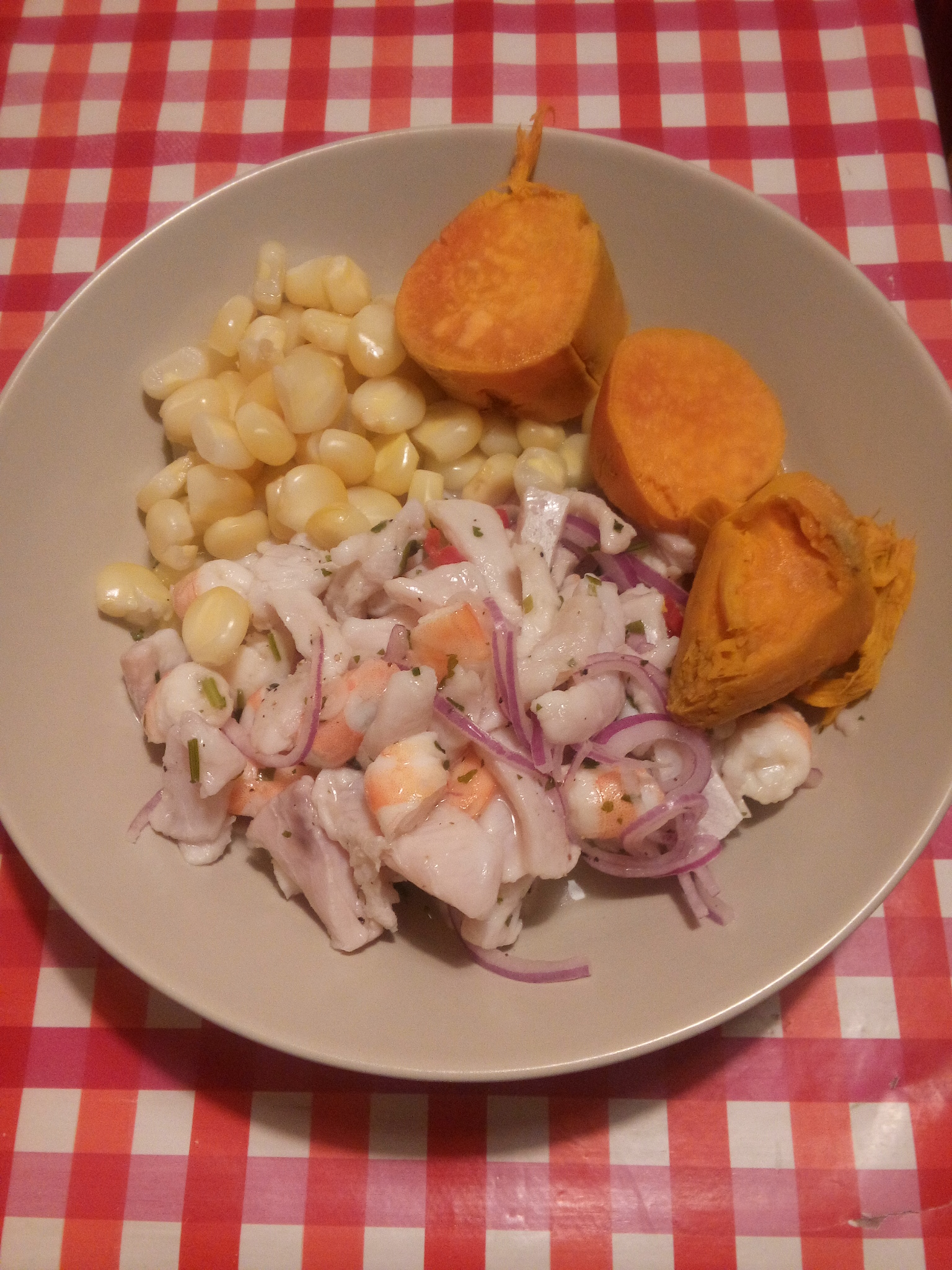
Beyond fine dining, Lima’s true soul lies in its everyday food culture. Cevicherías serve fresh seafood marinated in lime and chili, while street vendors offer anticuchos (grilled beef heart skewers), picarones (Peruvian doughnuts), and traditional desserts infused with history.
Cooking Classes Designed for American Travelers
For Americans seeking hands-on experiences, Lima offers cooking workshops tailored to international visitors. These classes often begin with guided market tours, where participants learn about native ingredients such as ají peppers, quinoa, purple corn, and Amazonian fruits.
Under the guidance of professional chefs, travelers prepare iconic dishes like ceviche, causa limeña, and lomo saltado. The experience goes beyond recipes; it becomes a cultural dialogue, bridging Peruvian traditions with American culinary curiosity.
3) Cusco: Andean Cuisine and Cultural Immersion
Cusco, the former capital of the Inca Empire, offers a radically different yet complementary gastronomic experience. Here, food is inseparable from the Andes, the seasons, and Indigenous knowledge.
The Essence of Andean Gastronomy
Cusco’s cuisine reflects high-altitude agriculture and ancestral techniques. Potatoes—of which Peru has thousands of varieties—are central to local dishes, alongside quinoa, corn, alpaca, and native herbs. Traditional preparations such as pachamanca (meat and vegetables cooked underground with hot stones) and chupe soups reveal the depth of Andean culinary heritage.
For American travelers, Cusco represents an opportunity to explore flavors rarely found in the US, while understanding how geography shapes cuisine.
Local Experiences Beyond Restaurants
Cusco’s culinary appeal extends far beyond formal dining. Visits to traditional markets, such as San Pedro Market, allow travelers to observe daily life and taste fresh juices, cheeses, and street food.
Community-based experiences in nearby villages provide deeper immersion. Travelers can participate in farm-to-table activities, learn about ancient agricultural practices, and share meals with local families. These encounters transform food into a powerful medium of cultural exchange.
Markets as Living Gastronomic Laboratories
Cusco’s markets are not just places to buy food; they are living museums of biodiversity. Rows of colorful potatoes, grains, herbs, and fruits reveal the complexity of Andean ecosystems. For American food lovers, these markets offer inspiration and perspective, highlighting how sustainability and tradition coexist in Peruvian gastronomy.
4) Food-Centric Tours and Packages for Americans
Peru’s growing reputation as a culinary destination has led to the development of specialized food tours designed specifically for international travelers, including Americans.
These itineraries often combine gastronomy with culture, history, and nature, creating holistic travel experiences.
Typical elements of Peru food tours include:
- Guided restaurant experiences in Lima and Cusco.
- Market visits with bilingual culinary experts.
- Cooking classes with professional chefs.
- Tastings of Peruvian wines, craft beers, and pisco.
- Visits to coffee plantations and cacao farms.
- Community-based gastronomic experiences in the Andes.
For US tourists, these curated tours offer comfort, safety, and depth, allowing them to explore Peru’s culinary landscape without logistical stress.
5) Practical Tips for US Travelers
Culinary travel in Peru for Americans requires thoughtful planning. Understanding logistics enhances the overall experience and ensures a smooth journey.
Transportation
Lima and Cusco are well connected by domestic flights, which are the most efficient way to travel between the two cities. Within Lima, ride-hailing services and private transfers are widely used, while Cusco’s historic center is walkable but requires acclimatization due to altitude.
Language and Communication
Spanish is the dominant language, but English is increasingly spoken in restaurants, hotels, and tour services. Learning basic Spanish phrases enriches interactions and demonstrates respect for local culture.
Health and Altitude Considerations
Cusco’s altitude can affect travelers, particularly Americans unfamiliar with high elevations. Gradual acclimatization, hydration, and light meals during the first days help mitigate symptoms.
6) Gastronomy-Themed Accommodation
Choosing the right accommodation can significantly enhance a culinary journey.
Boutique Hotels with Culinary Identity
In Lima, boutique hotels often integrate gastronomy into their identity, offering gourmet breakfasts, rooftop bars, and partnerships with local chefs. Some hotels host tasting events and cooking demonstrations, creating immersive experiences for guests.
Cusco’s Heritage Hotels
In Cusco, restored colonial houses and historic mansions offer accommodations that blend architecture, culture, and cuisine. Many hotels feature restaurants specializing in Andean ingredients and contemporary Peruvian interpretations.
Farm Stays and Culinary Lodges
For travelers seeking deeper immersion, farm stays and eco-lodges near Cusco provide direct access to local food systems. Guests can harvest ingredients, participate in traditional cooking, and experience the rhythms of rural life.
7) Sustainability and Authenticity in Peruvian Gastronomy
Modern culinary travel increasingly emphasizes sustainability, and Peru stands out as a destination where food is deeply connected to social and environmental responsibility.
Supporting Local Communities
Choosing locally owned restaurants, markets, and tour operators ensures that tourism benefits communities directly. Many culinary experiences in Cusco involve Indigenous cooperatives, empowering farmers and artisans.
Preserving Biodiversity
Peruvian cuisine relies on extraordinary biodiversity. By promoting native crops such as quinoa, cañihua, and Andean tubers, culinary tourism contributes to their preservation and economic viability.
Respecting Authentic Traditions
Authentic experiences require sensitivity and respect. American travelers who approach Peruvian food culture with curiosity and humility gain richer insights and forge meaningful connections.
8) FAQ and Practical Checklist
Frequently Asked Questions
Is Peru suitable for first-time culinary travelers?
Yes. Peru offers a balanced combination of accessibility and depth, making it ideal for both beginners and experienced food travelers.
Are vegetarian or vegan options available?
Increasingly so, especially in Lima. Cusco also offers plant-based interpretations of traditional dishes, although meat-based cuisine remains prevalent.
How long should a food-focused trip last?
A minimum of 8–12 days allows travelers to explore Lima and Cusco thoroughly, including culinary activities and cultural excursions.
Is Peruvian food spicy?
Peruvian cuisine uses chili peppers, but spice levels are generally moderate and adaptable to individual preferences.
Checklist for US Food Travelers
- Valid passport and travel insurance.
- Reservations at key restaurants in advance.
- Comfortable walking shoes and layered clothing.
- Basic Spanish phrases or translation apps.
- Curiosity and openness to new flavors.
Conclusion: A Journey Beyond Taste
Peru offers American food lovers a rare opportunity to experience cuisine as a living expression of culture, geography, and history. Lima dazzles with innovation and cosmopolitan energy, while Cusco captivates with ancestral wisdom and Andean authenticity. Together, they form a powerful narrative of flavor and identity.
Culinary travel in Peru for Americans is not merely about eating well; it is about discovering how food connects people, landscapes, and traditions. For US travelers seeking meaningful, sensorial, and unforgettable experiences, Lima and Cusco represent one of the most compelling food routes in the world.
In every ceviche, every Andean potato, and every shared table, Peru invites Americans to taste not only its cuisine, but its soul.