1) Introduction: The Cultural Meaning of Peru for American Travelers
For American travelers seeking journeys that go beyond sightseeing, Peru offers something rare: a living cultural tapestry where ancient civilizations, colonial history, and vibrant contemporary traditions converge. A cultural immersion in Peru for American travelers: Cusco & Puno experiences is not just a trip—it is a profound encounter with human heritage, resilience, and beauty. From the sacred temples of the Incas to the floating islands of Lake Titicaca, Peru invites visitors from the United States to explore its soul.
Over the past two decades, Peru has emerged as one of the most compelling destinations for cultural tourism among Americans aged 30 to 60. This growing interest reflects a shift toward meaningful travel—journeys that inspire learning, emotional connection, and personal growth. Cusco and Puno, two jewels of the southern Andes, form a natural cultural corridor that allows travelers to experience both the grandeur of the Inca Empire and the enduring traditions of Andean communities.
Cusco, once the capital of the Inca civilization, stands as a living museum where ancient stone walls coexist with baroque churches and bustling markets. Puno, perched on the shores of the legendary Lake Titicaca, offers a deep dive into Andean cosmology and indigenous lifestyles that have endured for centuries. Together, they create a powerful narrative of continuity, transformation, and identity.
This guide is designed specifically for U.S. travelers looking for a Peru cultural immersion Americans journey that balances history, nature, comfort, and authenticity. Whether you are a seasoned explorer or planning your first heritage trip to South America, this comprehensive resource will help you understand, plan, and fully enjoy a culturally enriching experience in Cusco and Puno.
2) Cusco: History, Churches, Markets, and Community Tours
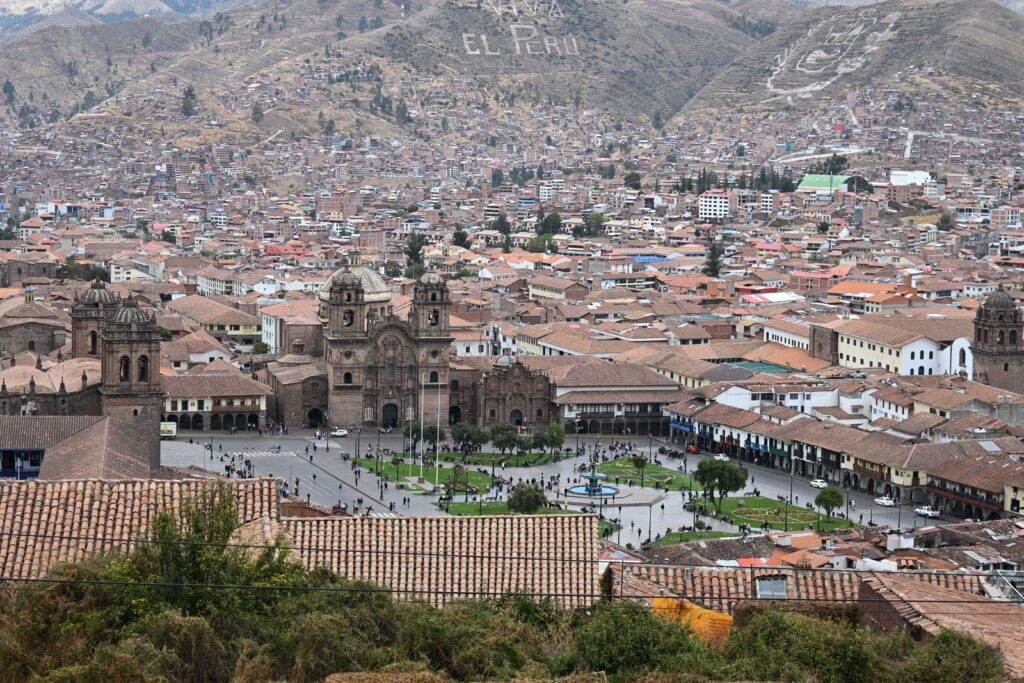
Cuzco: Plaza de Armas, by Marvin The Paranoid – Own work, CC BY-SA 4.0, https://commons.wikimedia.org/w/index.php?curid=175371188
Cusco is the cultural heart of Peru and the gateway to understanding the legacy of the Inca Empire. Declared a UNESCO World Heritage Site, the city captivates visitors with its layered history, where pre-Columbian foundations support colonial architecture and modern life flows seamlessly around them.
Walking through Cusco’s cobblestone streets is like stepping into a living chronicle. The iconic Plaza de Armas, surrounded by arcades, restaurants, and two imposing churches, is the perfect introduction. The Cathedral of Cusco, built over the palace of the Inca Viracocha, showcases intricate wood carvings, religious paintings from the Cusco School of Art, and priceless silverwork. Nearby, the Church of La Compañía de Jesús exemplifies Andean baroque style, blending European artistic traditions with indigenous symbolism.
Beyond its monumental landmarks, Cusco thrives in its markets and neighborhoods. The San Pedro Market is a vibrant hub where travelers can observe daily life, sample traditional foods, and interact with local vendors. Here, the aromas of fresh bread, exotic fruits, and Andean herbs mix with the colors of textiles and handmade crafts, offering a sensory immersion into Peruvian culture.
For American travelers seeking deeper engagement, community-based tours provide meaningful opportunities to connect with local residents. These experiences often include visits to artisan workshops, traditional cooking classes, and guided walks led by local historians. Such encounters transform a standard tour into a genuine cultural exchange, fostering understanding and mutual respect.
Cusco also serves as a base for exploring nearby archaeological sites, including Sacsayhuamán, Qenqo, Puka Pukara, and Tambomachay. These ceremonial and defensive complexes reveal the architectural mastery and spiritual worldview of the Incas, enriching the visitor’s appreciation of Andean civilization.
In every corner of Cusco, history speaks. For U.S. travelers on Cusco Puno tours US, the city offers a profound introduction to Peru’s cultural richness and sets the stage for a transformative journey.
3) The Sacred Valley and Local Villages: Living Traditions
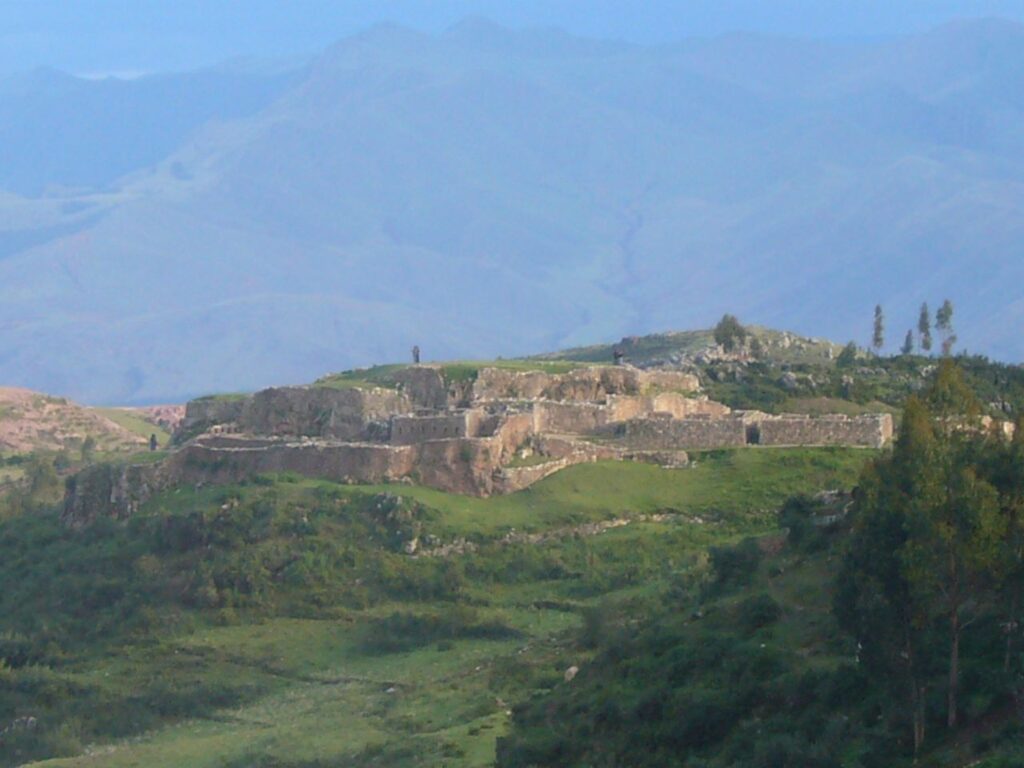
The Sacred Valley: Puca Pucara archeological site, Peru, By Yandi – https://www.flickr.com/photos/87337695@N00/364125107, CC BY 2.0, https://commons.wikimedia.org/w/index.php?curid=9779090
Stretching between Cusco and Machu Picchu, the Sacred Valley of the Incas is a fertile corridor dotted with traditional villages, agricultural terraces, and archaeological wonders. For travelers from the USA, this region provides an intimate look into rural Andean life, where ancient customs remain integral to daily routines.
The towns of Pisac, Ollantaytambo, and Chinchero each offer unique cultural experiences. Pisac is renowned for its colorful artisan market and hilltop ruins, where travelers can witness traditional weaving techniques passed down through generations. Ollantaytambo, often described as a living Inca town, preserves its original urban layout and stone structures, allowing visitors to walk through history.
Chinchero, set high above the valley, is particularly significant for cultural immersion. Local women, dressed in vibrant traditional attire, demonstrate natural dyeing and weaving processes using alpaca and sheep wool. Participating in these workshops offers American visitors a hands-on understanding of Andean craftsmanship and symbolism.
The Sacred Valley is also a place of agricultural heritage. Quinoa, corn, and potatoes—staples of Andean cuisine—are cultivated using techniques developed over millennia. Guided visits to family farms provide insight into sustainable practices and the spiritual relationship between the Andean people and Pachamama, or Mother Earth.
Nature and culture intertwine seamlessly in the valley. Snow-capped peaks, rushing rivers, and terraced hillsides create a breathtaking backdrop for reflection and exploration. For those seeking Peru heritage trip USA experiences that combine scenic beauty with cultural depth, the Sacred Valley is an essential highlight.
4) Puno and Lake Titicaca: Andean Culture and the Floating Islands of Uros
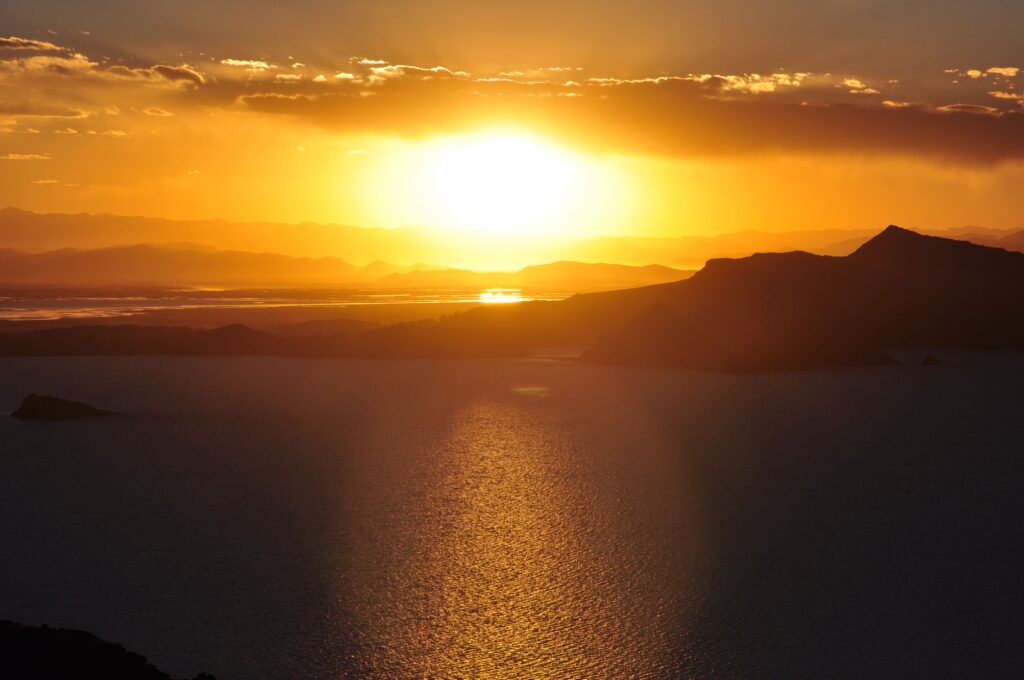
Lake Titicaca, by Richard from Leeds, Yorkshire, UK – Amantani Island Sunset, Lake Titicaca, CC BY 2.0, https://commons.wikimedia.org/w/index.php?curid=138626351
Leaving the lush valleys behind, travelers ascend to the high plateau of the Altiplano, where Puno sits on the shores of Lake Titicaca, the highest navigable lake in the world. According to Inca mythology, this sacred body of water is the birthplace of the sun and the origin of civilization itself.
Puno is often called the folkloric capital of Peru, and for good reason. The city hosts vibrant festivals throughout the year, blending Catholic traditions with indigenous rituals. The most famous of these, the Virgen de la Candelaria celebration, features elaborate dances, music, and costumes that reflect centuries-old beliefs and communal pride.
A journey across Lake Titicaca reveals a remarkable cultural landscape. The floating islands of the Uros people are among the most iconic attractions. Constructed entirely from totora reeds, these islands demonstrate human ingenuity and adaptation to the environment. Visiting Uros communities offers American travelers a rare opportunity to learn about sustainable living, ancestral navigation techniques, and the social structures that sustain island life.
Further into the lake, Taquile and Amantaní islands provide immersive homestay experiences. Here, travelers can stay with local families, participate in daily activities, and share traditional meals. These interactions foster genuine cultural exchange, allowing visitors to understand Andean values such as reciprocity, community cooperation, and respect for nature.
For U.S. visitors seeking Peru cultural immersion Americans, Puno and Lake Titicaca offer moments of quiet reflection and deep connection that resonate long after the journey ends.
5) 7–10 Day Cultural Packages for the US Market
To fully experience Cusco, the Sacred Valley, and Puno, most travelers from the United States benefit from well-designed itineraries lasting between seven and ten days. These packages balance exploration with comfort, ensuring a rewarding and stress-free journey.
A typical 7-day itinerary might include:
- Arrival in Cusco and acclimatization.
- Guided city tour and nearby archaeological sites.
- Sacred Valley exploration with community visits.
- Transfer to Puno via scenic Andean route.
- Lake Titicaca excursion with island visits.
- Cultural performances and farewell dinner.
A 10-day itinerary allows for deeper immersion, adding extended stays in rural communities, optional trekking, culinary workshops, and more relaxed pacing. These extended programs are ideal for travelers who wish to combine cultural discovery with personal enrichment and reflection.
High-quality Cusco Puno tours US often include bilingual guides, carefully selected accommodations, and responsible tourism practices that benefit local communities. Such packages cater specifically to the expectations of American travelers, emphasizing safety, comfort, and meaningful engagement.
6) Logistics for Americans: Flights, Altitude Adaptation, and Travel Tips
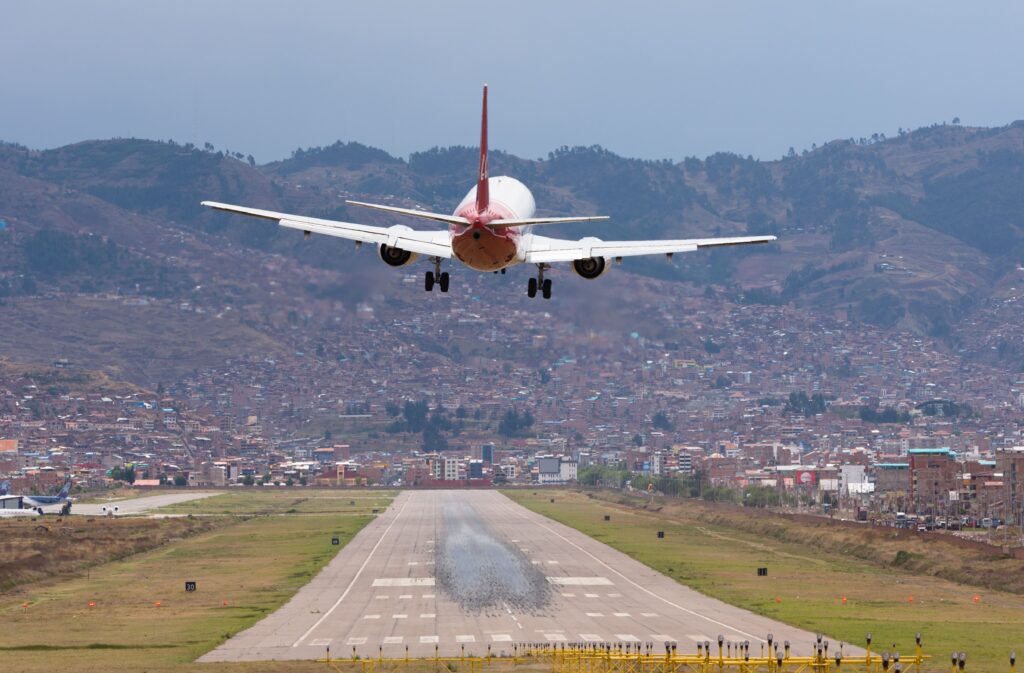
Logistics for Americans: Approach of a 737 of the Peruvian airline LCPerú to the Velasco Astete International Airport, by Primx28 – Own work, CC BY-SA 4.0, https://commons.wikimedia.org/w/index.php?curid=64819237
Traveling from the United States to Peru is increasingly convenient, with direct flights available from major hubs such as Miami, Los Angeles, Dallas, Atlanta, and New York to Lima. From Lima, frequent domestic flights connect to Cusco and Juliaca (the nearest airport to Puno).
Altitude is a key consideration for visitors. Cusco sits at approximately 11,150 feet (3,400 meters), while Puno is even higher. To ensure comfort, travelers are advised to:
- Allow at least one acclimatization day upon arrival.
- Stay hydrated and avoid heavy meals initially.
- Consume coca tea or herbal infusions traditionally used to alleviate altitude symptoms.
- Maintain a moderate pace during the first days.
Health precautions, travel insurance, and awareness of local customs further enhance the travel experience. With thoughtful planning, Americans can enjoy a smooth and enriching journey through Peru’s highlands.
7) Responsible Tourism and Indigenous Communities
Cultural immersion carries a responsibility to respect and support host communities. In Peru, responsible tourism plays a crucial role in preserving heritage and promoting sustainable development. Travelers are encouraged to choose tour operators that prioritize fair wages, environmental protection, and cultural sensitivity.
Community-based tourism initiatives in Cusco, the Sacred Valley, and Puno empower indigenous families by providing direct economic benefits and preserving traditional knowledge. Participating in these programs allows American visitors to contribute positively while gaining authentic insights.
Respectful behavior—such as asking permission before taking photographs, learning basic Spanish or Quechua phrases, and honoring local customs—enhances cultural exchange. Through mindful travel, visitors become partners in conservation and cultural preservation.
8) FAQ
Frequently Asked Questions
Is Peru safe for American travelers?
Yes. Peru is one of South America’s most established tourist destinations, with well-developed infrastructure and safety standards. Choosing reputable tour operators and following basic precautions ensures a secure journey.
Do I need a visa to visit Peru?
U.S. citizens do not require a visa for stays of up to 90 days for tourism purposes.
What is the best time to visit Cusco and Puno?
The dry season, from May to September, offers clear skies and ideal conditions for exploration. The shoulder seasons of April and October provide fewer crowds and pleasant weather.
How physically demanding is the trip?
Most activities are moderate. However, altitude can be challenging, so travelers should plan for gradual acclimatization and maintain a flexible itinerary.
What makes this journey unique for Americans?
The combination of Inca heritage, colonial history, living indigenous cultures, and breathtaking landscapes creates an unmatched cultural immersion experience.
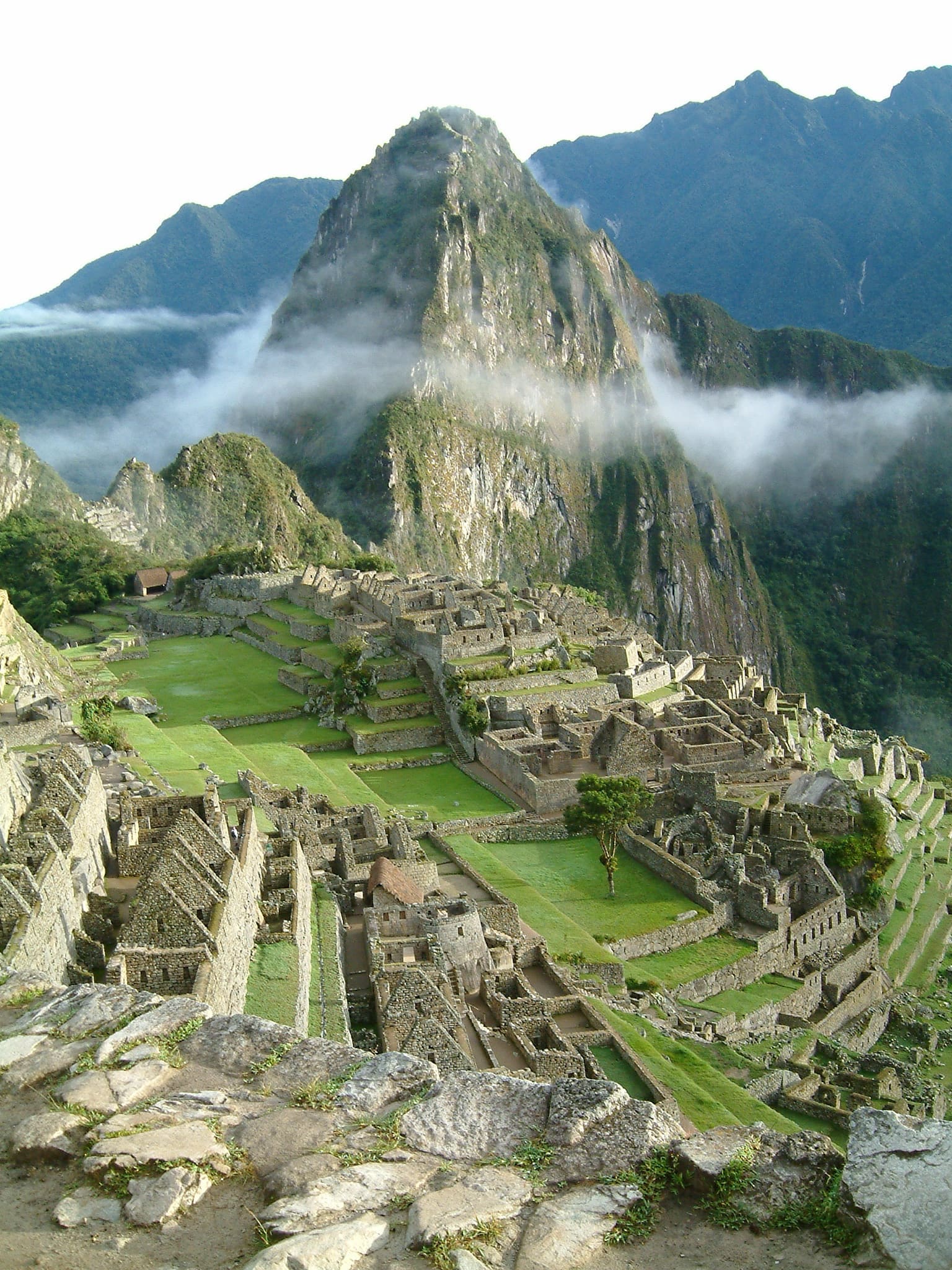
The featured image of this article corresponds to Machu Picchu.- Man dressed in Pachacutec costume at the entrance of the site, by Pierre André Leclercq – Own work, CC BY-SA 4.0, https://commons.wikimedia.org/w/index.php?curid=86553374