
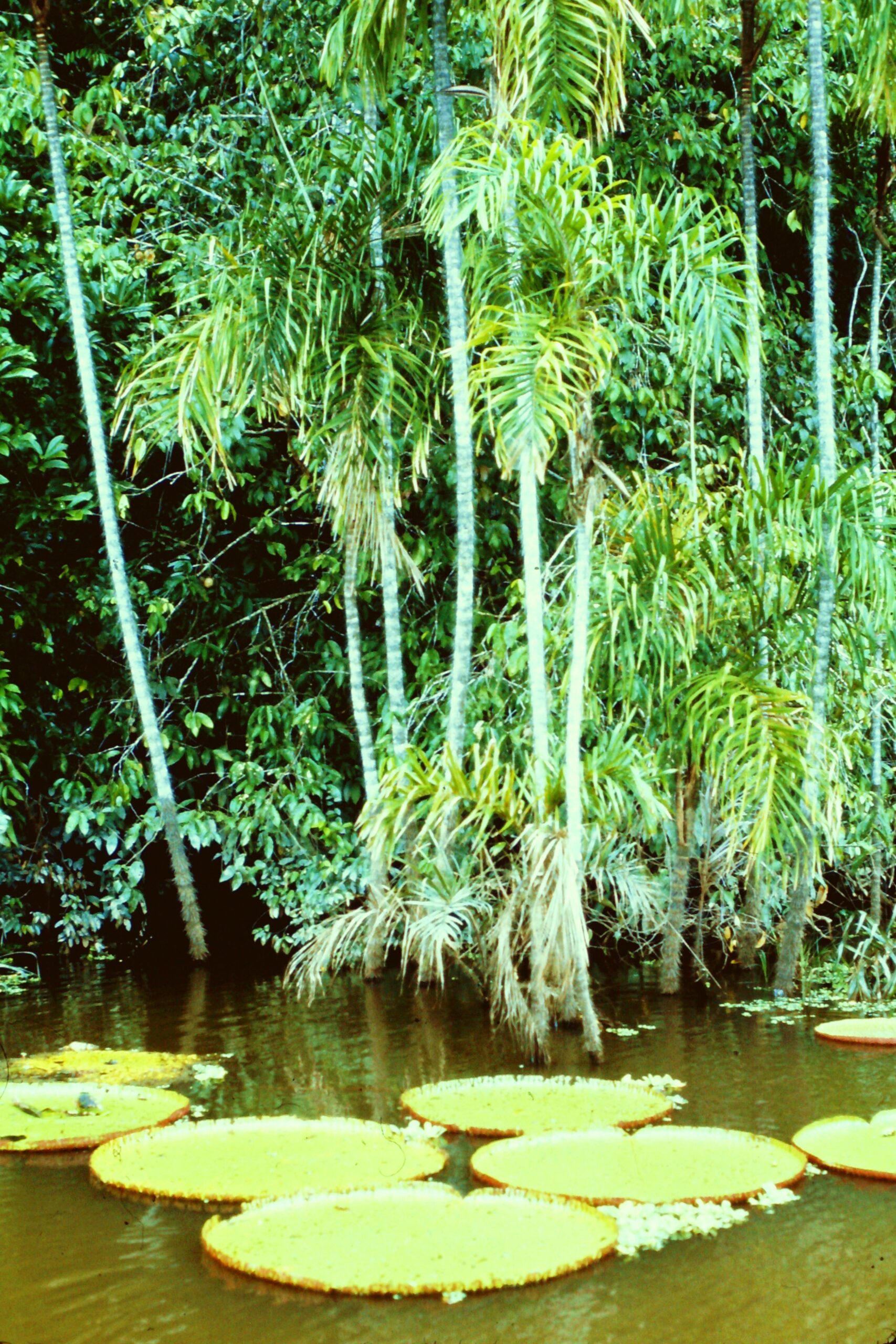
1. Why the Peruvian Amazon Fascinates American Travelers
For many American travelers, the Peruvian Amazon represents one of the last true frontiers of adventure. Vast, biodiverse, and culturally rich, this region offers something increasingly rare in modern travel: the feeling of stepping into a living ecosystem that remains largely untouched. Unlike more crowded destinations in South America, the Amazon around Iquitos delivers immersion rather than observation, allowing visitors to experience nature at eye level.
The Peruvian Amazon is especially attractive to travelers from the United States because it combines accessibility with authenticity. English-speaking guides, internationally recognized eco-lodges, and well-structured tours make the jungle approachable, even for first-time adventure travelers. At the same time, the wildlife density, river-based landscapes, and indigenous cultures ensure the experience feels genuinely remote.
For Americans seeking meaningful travel—beyond beaches and cities—Iquitos and the surrounding rainforest offer a powerful blend of exploration, education, and personal challenge.
2. Flying from the USA to Iquitos: Routes, Logistics, and Best Seasons
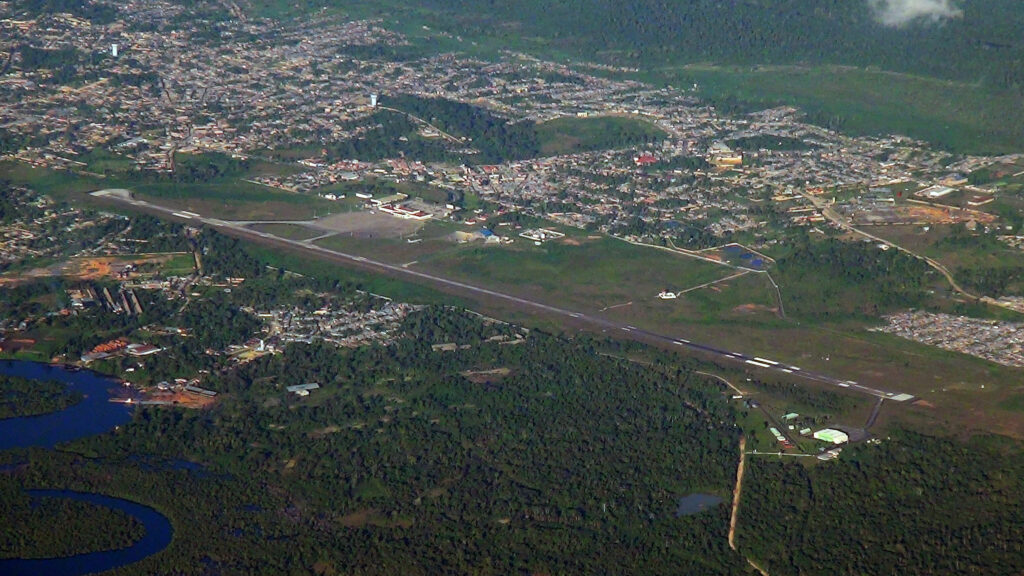
Aeropuerto Internacional Francisco Secada Vignetta, By Percy Meza – Own work, CC BY-SA 4.0, https://commons.wikimedia.org/w/index.php?curid=38943051
Reaching Iquitos is part of the adventure, but the logistics are straightforward. Iquitos is the largest city in the world that cannot be accessed by road, which already sets it apart. All travelers arrive either by air or river, preserving its unique atmosphere.
Most travelers from the United States follow a two-leg route. First, an international flight connects major U.S. hubs such as Miami, Dallas, Houston, Los Angeles, or New York with Lima, Peru. From Lima, a domestic flight of approximately 1 hour and 45 minutes takes you directly to Iquitos. Several daily flights operate on this route, making connections flexible and reliable.
When planning a Peru Amazon trip, seasonality matters. The Amazon does not have four seasons but rather two main ones: high water and low water. From December to May, higher river levels allow deeper exploration by boat, creating excellent conditions for river cruises and flooded forest excursions. From June to November, lower water levels reveal jungle trails and make wildlife spotting on foot more common.
For American travelers, the best time often depends on the desired experience. Those interested in boat-based exploration and dramatic river landscapes may prefer the high-water months, while travelers focused on hiking, photography, and terrestrial wildlife often choose the drier season.
3. Types of Amazon Tours: Finding the Right Jungle Experience
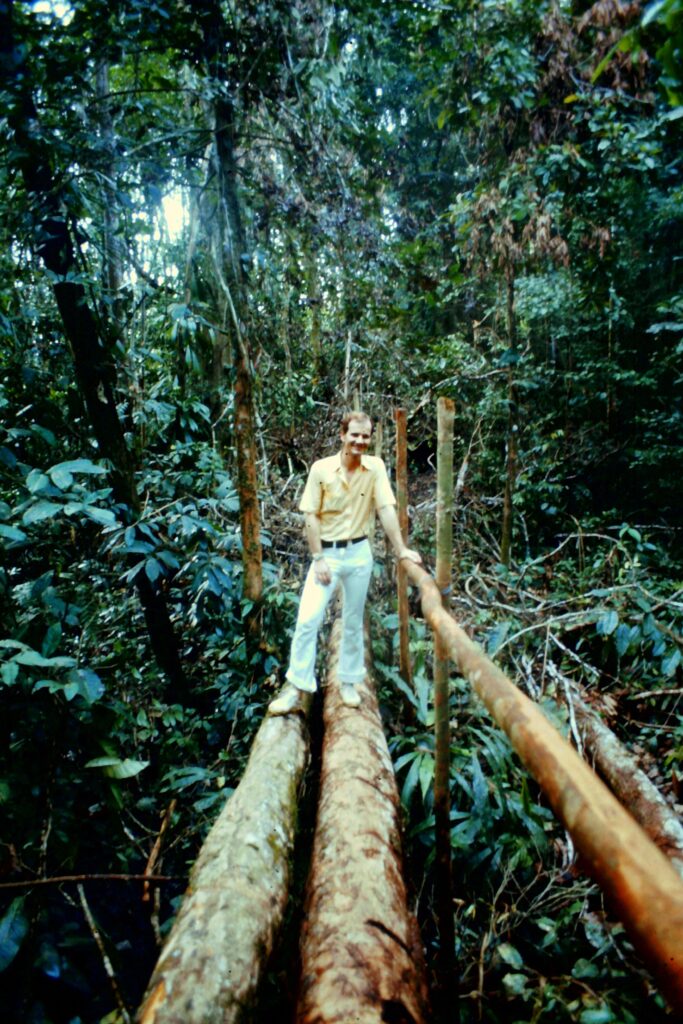
Amazon rain forest ,By Fritz Rudolf Loewa – Own work, CC BY-SA 3.0, https://commons.wikimedia.org/w/index.php?curid=15001871
One of the strengths of Iquitos as a gateway to the Amazon is the diversity of tour options available. Travelers can choose experiences that range from comfortable eco-lodges to expedition-style cruises, each offering a different perspective on the rainforest.
Jungle lodges are the most popular option for U.S. travelers. Located several hours from Iquitos by river, these lodges combine comfort with immersion. Guests typically stay in private cabins, enjoy guided excursions twice a day, and learn about flora, fauna, and local culture from naturalist guides. Many lodges focus on sustainability and conservation, which resonates strongly with environmentally conscious American visitors.
Amazon river cruises offer a more exploratory experience. These small ships travel deep into remote tributaries, allowing access to areas rarely reached by land-based lodges. Cruises often include expert-led lectures, daily excursions, and a higher level of comfort, making them attractive to travelers who want adventure without sacrificing amenities.
Community-based and indigenous tourism experiences provide a more cultural approach. These tours allow travelers to interact with local communities, learn traditional knowledge, and support grassroots initiatives. For Americans interested in ethical travel and cultural exchange, this type of tour can be deeply rewarding when booked through reputable operators.
4. Health and Safety in the Peruvian Jungle
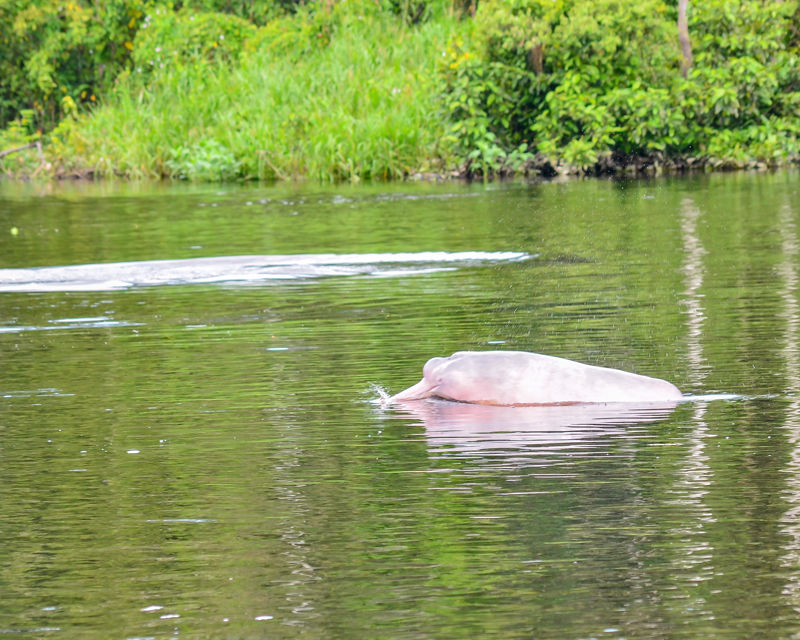
Inia geoffrensis Peruvian Amazon ,By Allen Sheffield from USA – Amazon Pink Dolphin, CC BY 2.0, https://commons.wikimedia.org/w/index.php?curid=33440601
Health and safety are common concerns for first-time Amazon travelers, but with proper preparation, risks are manageable. Before traveling, Americans should consult a travel health specialist to review recommended vaccinations. Yellow fever vaccination is commonly advised for the Amazon region, and routine vaccines should be up to date.
Insect protection is essential, as mosquitoes are part of the ecosystem. Wearing long sleeves, using high-quality repellent, and staying in accommodations with mosquito nets or screened rooms significantly reduce exposure. Most reputable lodges provide guidance and infrastructure to minimize discomfort.
Travel insurance is strongly recommended. A comprehensive policy should include medical coverage, evacuation, and trip interruption. While Iquitos has hospitals and clinics, serious cases may require evacuation to Lima, making insurance a critical component of responsible planning.
Overall, the Peruvian Amazon is considered safe for tourists, particularly when traveling with established operators who follow international safety standards.
5. What to See and Do in the Amazon Rainforest
The biodiversity of the Peruvian Amazon is one of the highest on the planet, and daily excursions reveal new wonders. Wildlife sightings often include pink river dolphins, sloths, howler monkeys, macaws, toucans, and countless insect species. Night walks introduce travelers to a different side of the jungle, where frogs, snakes, and nocturnal mammals emerge.
Beyond wildlife, the Amazon offers powerful immersive experiences. Canoeing through flooded forests, fishing for piranhas, and visiting oxbow lakes provide hands-on interaction with the environment. Many tours also include visits to local communities, where travelers learn about medicinal plants, traditional crafts, and sustainable living practices.
For American travelers accustomed to structured itineraries, these experiences offer a refreshing balance between guided exploration and moments of quiet reflection in nature.
6. Recommended Accommodation in Iquitos and the Jungle
Accommodation options range from city-based hotels in Iquitos to remote jungle lodges. In Iquitos, travelers often stay one night before or after their jungle tour. Comfortable hotels with air conditioning and river views provide a smooth transition between city and rainforest.
Jungle lodges are where most of the experience unfolds. Well-known lodges catering to U.S. travelers typically offer private bathrooms, electricity during certain hours, and bilingual staff. Higher-end lodges may include gourmet dining, observation towers, and research partnerships, enhancing both comfort and educational value.
Choosing accommodation affiliated with conservation initiatives not only improves the experience but also contributes to preserving the Amazon for future generations.
7. Pre-Trip Advice and What to Pack
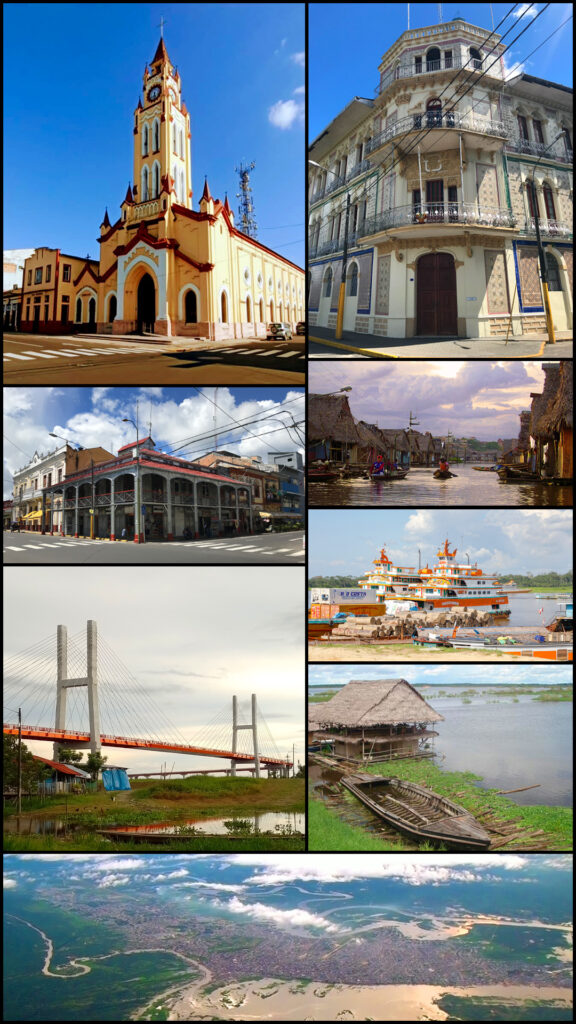
Collage of Iquitos By Various autors. – File:Ex_Hotel_Palace_en_Iquitos,2018.jpgFile:Casa_de_Fierro_en_Iquitos_2018.jpgFile:Puente_Nanay_desde_Santo_Tomás2.jpgFile:Vivienda_y_movilidad_en_Iquitos.jpgFile:Foto_2_color(2).jpgFile:PRODUCE_Proyecto_de_modernización_del_DPA_“La_Punchana”en_Iquitos_se_iniciará_el_próximo_año(30358936248).jpgFile:Iquitos_desde_el_aire.jpgFile:Calle_en_Belen_Bajo.jpg, CC BY-SA 4.0, https://commons.wikimedia.org/w/index.php?curid=150918813
Preparing for the Amazon requires thoughtful packing. Lightweight, breathable clothing in neutral colors is ideal. Long sleeves and pants protect against insects and sun exposure. Waterproof shoes or boots are essential, as humidity and rain are part of daily life.
Other essentials include a wide-brimmed hat, reusable water bottle, sunscreen, and a small backpack for excursions. A waterproof phone case and dry bags help protect electronics during river travel.
Mentally, travelers should prepare for limited connectivity. Many lodges offer minimal or no internet, which is often seen as a benefit rather than a drawback, allowing guests to fully disconnect and engage with the environment.
8. Internationally Reputable Tour Operators
American travelers should prioritize operators with strong international reputations, transparent sustainability practices, and positive reviews. Well-established Amazon lodges and cruise companies often work with U.S.-based travel agencies or have English-language booking platforms.
Choosing experienced operators ensures professional guides, reliable logistics, and adherence to safety and environmental standards. This is particularly important in a remote destination like the Amazon.
9. Frequently Asked Questions (FAQ)
Is Iquitos safe for American tourists?
Yes, Iquitos is generally safe, especially when traveling with organized tours and reputable accommodations.
Do I need a visa to travel from the USA to Peru?
U.S. passport holders do not need a tourist visa for short stays in Peru.
Is the Amazon suitable for first-time adventure travelers?
Absolutely. Many lodges cater specifically to beginners, offering comfortable accommodations and guided experiences.
How long should I stay in the Amazon?
Most travelers find that 3 to 5 nights in the jungle provide a balanced and fulfilling experience.
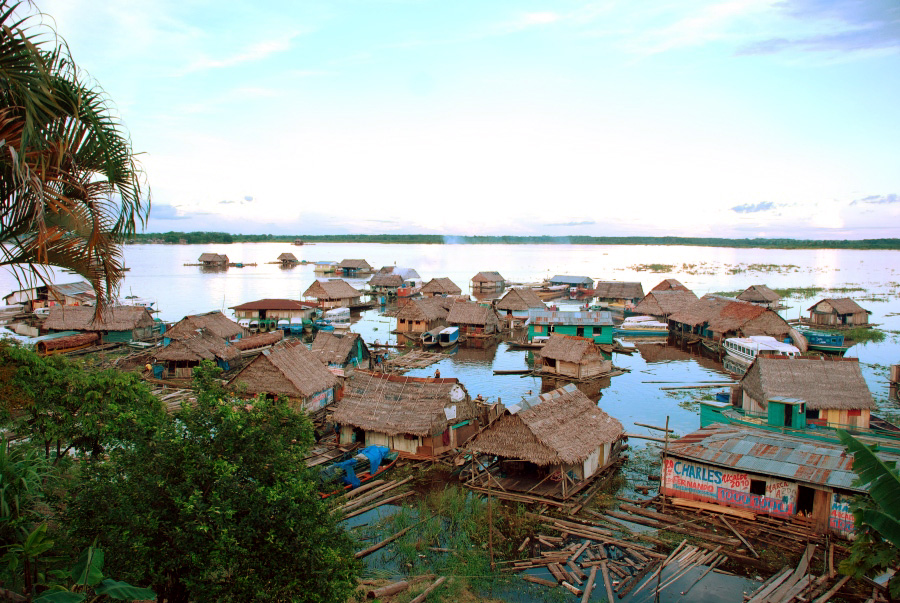
Amazonas floating village, Iquitos, by Sascha Grabow www.saschagrabow.com – Own work, CC BY-SA 3.0, https://commons.wikimedia.org/w/index.php?curid=13377777
La imagen destacada del presente artículo corresponde a Amazon rain forest, By Fritz Rudolf Loewa – Own work, CC BY-SA 3.0, https://commons.wikimedia.org/w/index.php?curid=15001931